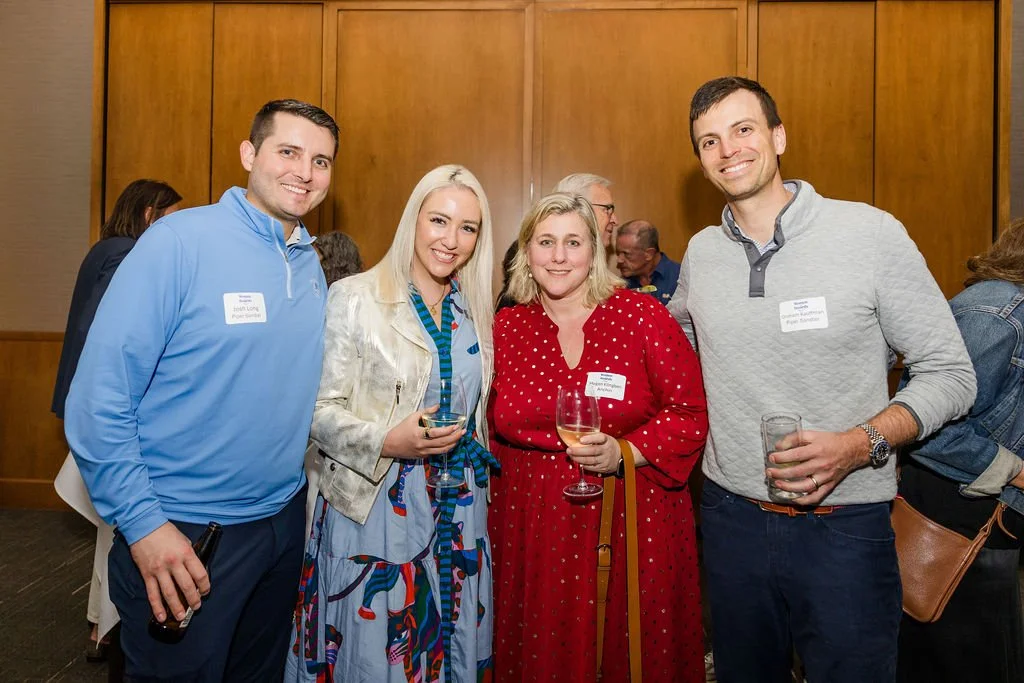
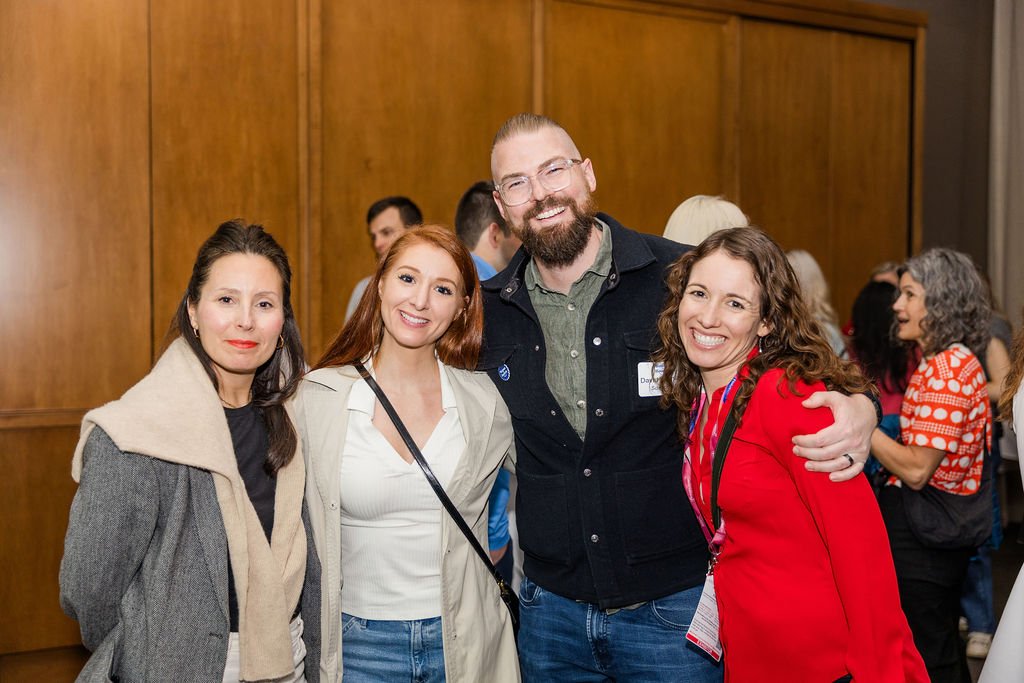
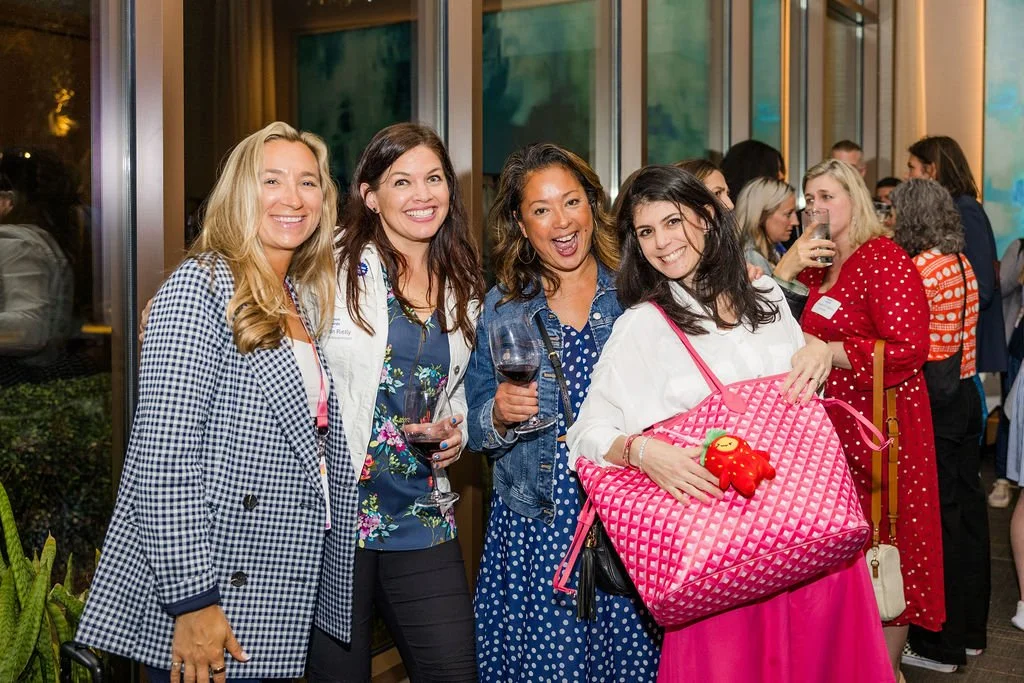
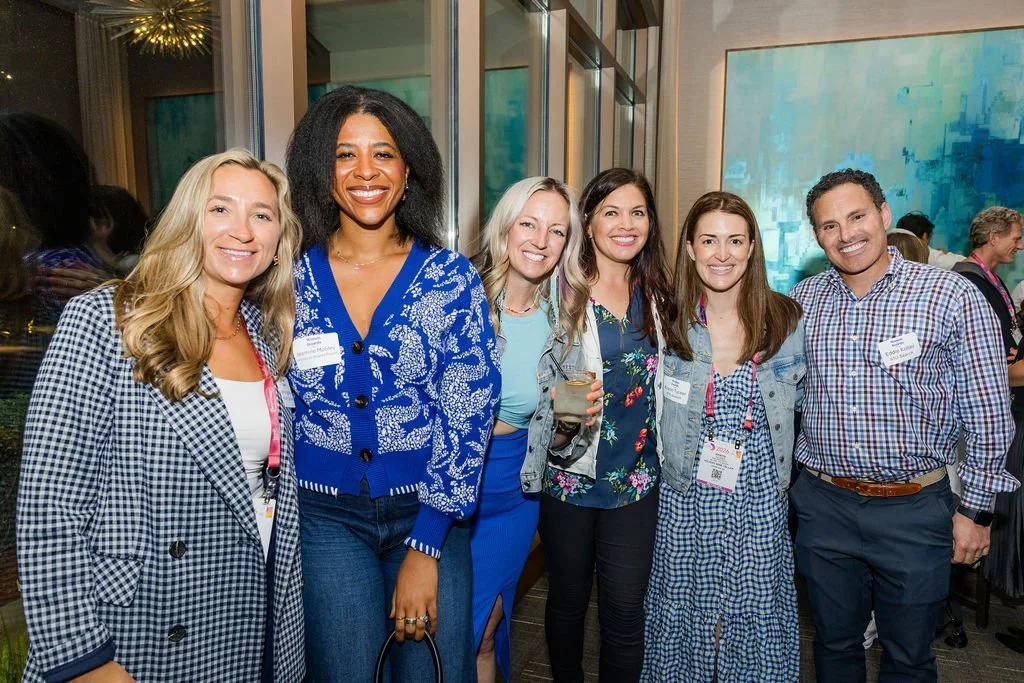
We had such a great time with you last night at Expo West. The energy in the room reminded us why we do this work: founders deserve boards that work as hard as they do.
Here's a quick recap, the photos, and some answers to the questions we hear most often.
A special thank you to our co-hosts — Piper Sandler, Anchin, and KTG Search — for making last night possible.
Thanks for being Board Curious with us.
Our Most Important Belief
What if I don't have an open board seat?
You don't need one. This is probably the most unconventional thing about how we work — and the thing we feel most strongly about. What matters to us is that she's in the room, has a voice, and is compensated. That might be a formal board seat, an advisory role, or a board observer position. The title matters less than the access. Here's why: in private boardrooms, very little actually comes to a vote. The real value of a board member is in the conversation, the strategic input, the pattern recognition, the network. None of that requires voting rights. So don't let the absence of an "open seat" stop you from getting the expertise your company needs. We'll help you figure out the right structure — the important thing is making the decision to bring that perspective into the room.
Frequently Asked Questions
-
We're a nonprofit that places women on the boards of successful, private consumer companies. We also work with founders to build stronger boards from the ground up, whether that means your first advisory board or a full governance overhaul. Think of us as the people who make sure the boardroom actually reflects the consumer you're building for.
-
Women drive roughly 80% of consumer purchasing decisions. If your board doesn't include people who understand your customer at a deep level, you're leaving insight — and growth — on the table. Beyond the data, a well-composed board is your competitive advantage: better pattern recognition, harder questions, and a broader network working on your behalf.
-
Not at all — in fact, this is the best time. Most founders wait until a board is required (usually by investors) and then scramble to fill seats. If you start thinking about governance early, you get to be intentional. That might mean an informal advisory group, a single independent board member, or just understanding what "good" looks like before you need it. We help founders at every stage think this through.
-
It depends on where you are. For some founders, it starts with a conversation about what their board should look like in 12–18 months. For others, we run a search to find and place a board member who fills a specific gap — industry expertise, functional skill, or network. We also host events (like last night) and produce content to help founders build governance knowledge over time. There's no single entry point — we meet you where you are.
-
Because that's where the gap is — and where we see the greatest untapped potential. Since 2020, we've placed 73 women onto consumer company boards, resulting in over 120 board seats and counting. 57% of those women were first-time board members. The talent isn't the problem. The access is. We exist to close that gap, and we make no apologies for the focus. It's what we do, and we do it well.
-
Yes. A lot of founders have boards that exist on paper but don't actually work for them. Maybe meetings feel like reporting exercises instead of strategic conversations. Maybe you have board members who were great at seed stage but aren't right for where you're heading. We can help you assess what's working, what's not, and how to evolve your board as your company grows — including navigating the sometimes-awkward process of board transitions.
-
No. We work with any founder who believes their board should be better. Last night's event was intentionally open to everyone — men are welcome and encouraged to be part of this conversation. Strong governance benefits every company. And frankly, the founders who care enough to show up to a "Board Curious" happy hour on a Tuesday night at Expo West are exactly the kind of people we want to work with.
-
It's our way of saying: you don't have to have it all figured out. A lot of founders feel like they should already know how boards work, or that asking basic questions is a sign of weakness. It's not. Being board curious means you're open to learning, you're thinking ahead, and you're taking governance seriously before it becomes a crisis. That's a strength, not a gap.
-
Our events and educational content are free. Board search and placement engagements are structured on a case-by-case basis depending on the scope of the work. Because we're a nonprofit, our fees go directly toward covering the cost of our resources and funding our ability to reach even more founders and place even more women — so it's significantly more affordable than traditional executive search, and your dollars are supporting a mission that's making boardrooms better for everyone. If you're just exploring, there's no cost to start a conversation with us — and we'll always be honest about whether a formal engagement makes sense for where you are right now.
Let's keep the conversation going.
Whether you have a specific question about your board or you're just starting to think about governance, we'd love to hear from you. No pitch, no pressure — just a real conversation.
Women On Boards Project · wobproject.com
This page was created for attendees of our Board Curious Happy Hour at Expo West, March 2026.